 UNMUL RECORDS CENTER
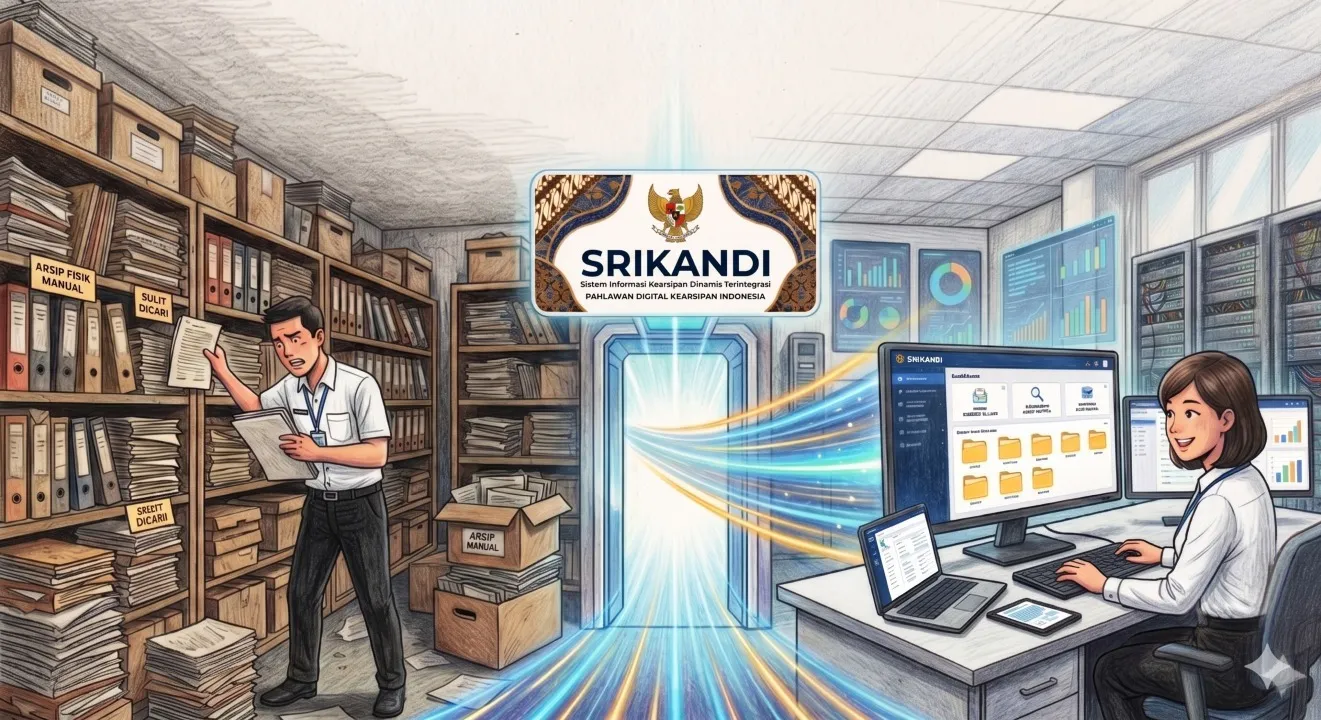
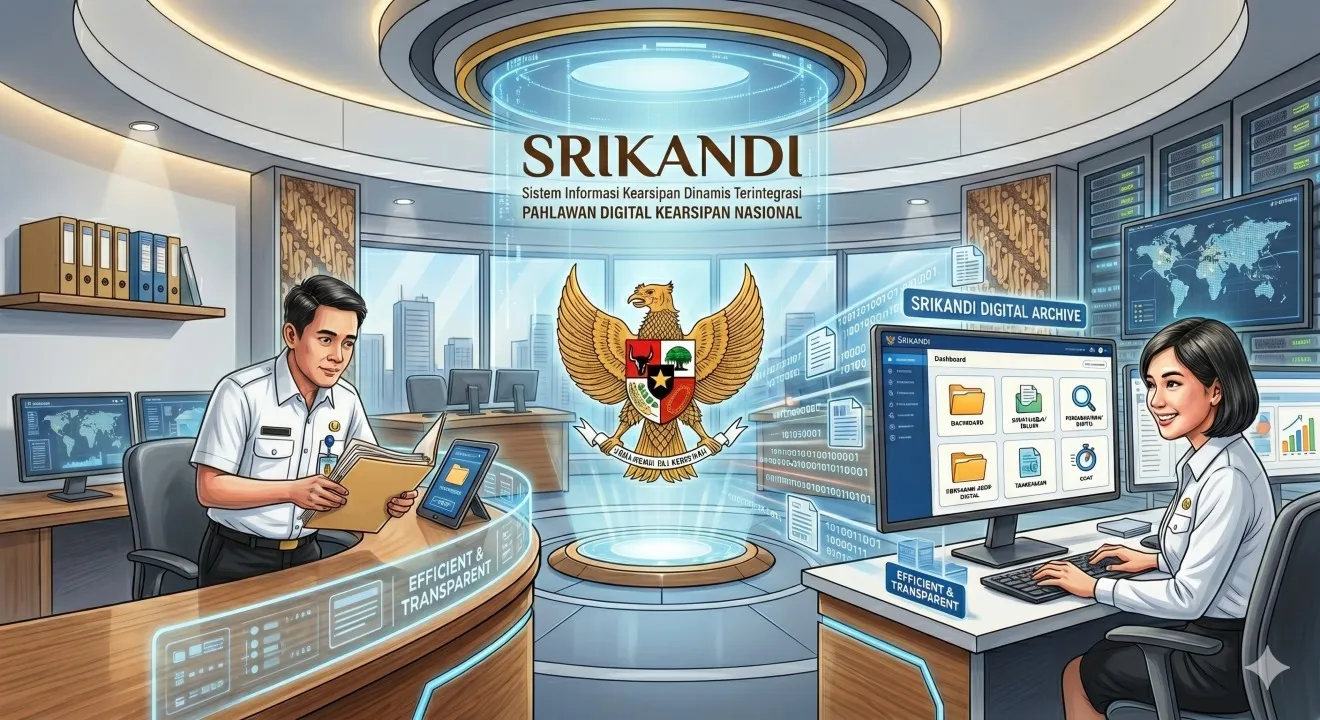
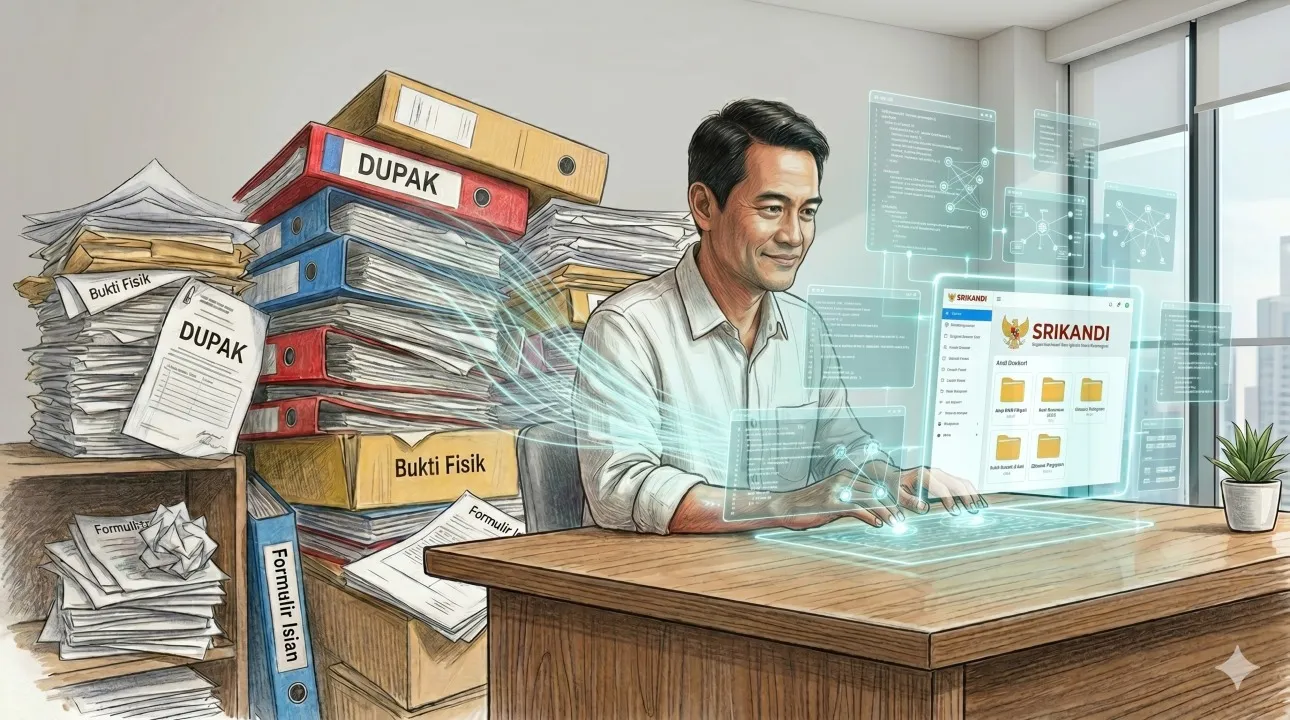
Have you ever imagined how complicated it would be to search for a single letter among thousands of government filing cabinets? In this fast-paced era, that old method is slowly fading away. Enter SRIKANDI (Integrated Dynamic Archive Information System), an application that is now the backbone of electronic correspondence and archive management in all Indonesian government agencies.
Srikandi is more than just an app; it is a symbol of the transformation of bureaucracy from rigid and slow to agile and transparent.
History: Born from a Spirit of Collaboration
The Srikandi app didn’t just appear out of nowhere. Its existence is the result of the mandate of Presidential Regulation No. 95 of 2018 on the Electronic-Based Government System (SPBE).
Srikandi is the result of a "collective effort" by four pillars of state institutions:
ANRI (National Archives of the Republic of Indonesia) as the developer of business processes and archival standards.
KemenPAN-RB as the provider of coordination policies.
Kemenkominfo as the provider of national data center infrastructure.
BSSN (National Cyber and Cryptography Agency) as the guarantor of digital security and electronic signatures.
Officially launched in late 2020, Srikandi was created to unify the previously fragmented archival systems, so that all government agencies—from the central to the local level—can “communicate” in the same digital language.
Why is Srikandi Attractive? (Advantages)
Using Srikandi brings a host of benefits that make bureaucratic work much more "streamlined":
Unlimited Efficiency: No more waiting for couriers to deliver physical letters. The process of creating, sending, and receiving letters takes just seconds.
Electronic Signature (TTE): Officials can sign documents anytime and anywhere via their mobile phones, without having to be in the office.
Paperless & Cost-Effective: Drastically reduces paper consumption (go green) and cuts office supply budgets.
Instant Search: Forgot the document number? Simply enter a keyword in the search bar, and the document you’re looking for will appear instantly.
Guaranteed Security: Every document’s movement is tracked (who reads and disposes of it), thereby minimizing the risk of document manipulation or loss.
Challenges Faced (Drawbacks)
Of course, every technological transition has its own challenges:
Reliance on Internet Connection: As a cloud-based application, Srikandi is highly dependent on internet stability. In areas with weak signals, access may be hindered.
Changes in Work Culture: Changing the habits of employees accustomed to handling physical paper to a digital screen requires time and consistent education (digital literacy).
Central Server Load: Since it is used nationwide by thousands of agencies, the application sometimes experiences lag during peak working hours.
Technical Adaptation: Some early users may find the application interface quite complex due to the many standard archiving features that must be met.
Conclusion
Srikandi is a major step toward a more modern Indonesia. Although it still has shortcomings that the government continues to address, this application proves that our bureaucracy is ready to take a leap forward. With Srikandi, managing archives is no longer a tedious task in a dusty room, but rather the art of managing information at your fingertips.