 UNMUL RECORDS CENTER
Have you ever heard it said in the office hallway that staff who are not performing well or are nearing retirement will be "dumped" into the archives? Or perhaps you often picture an archive officer as someone who sits in a dusty room, wears thick glasses, and is surrounded by stacks of old folders?
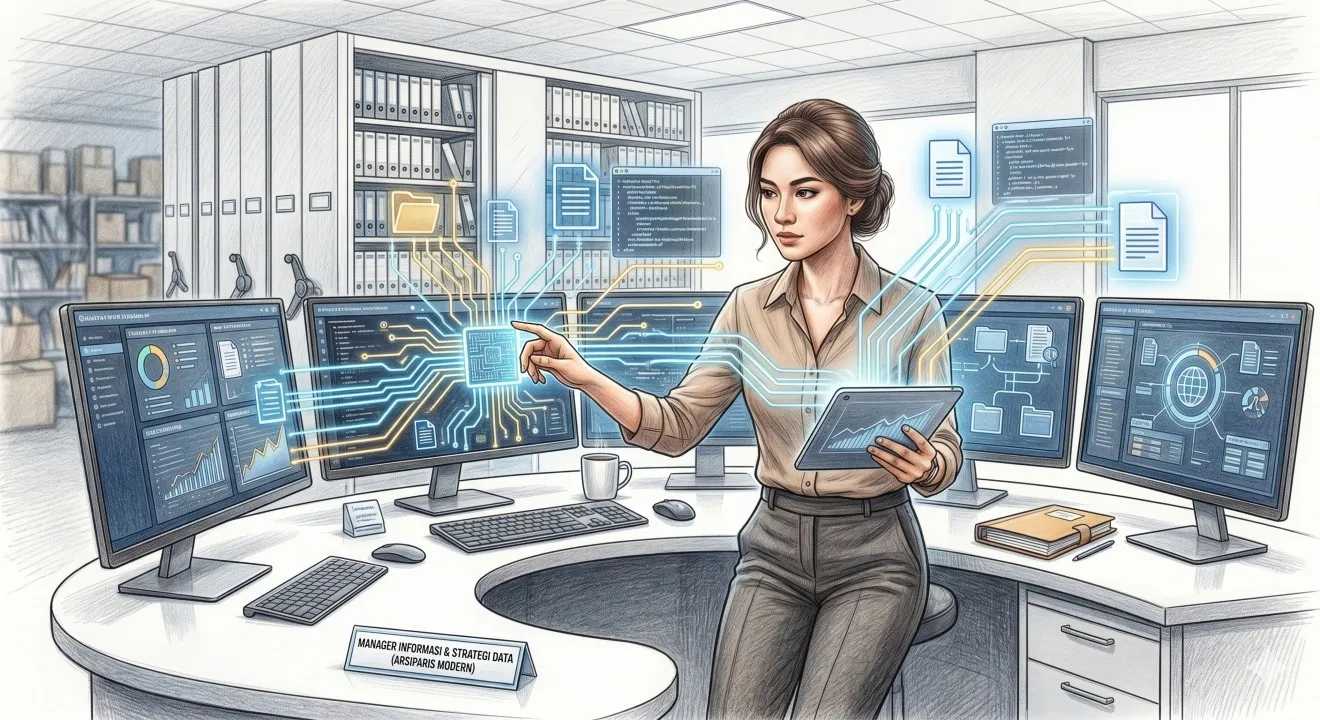
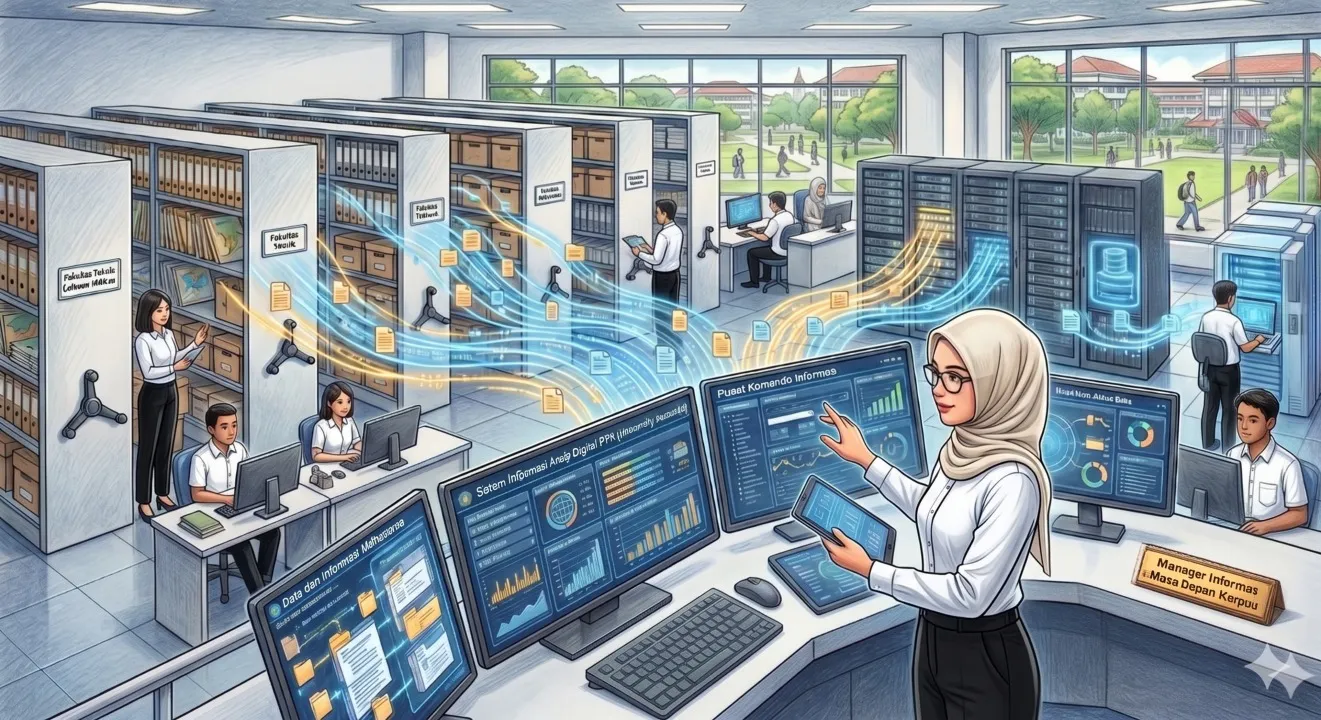
If so, put that notion out of your mind. Because in this era of digital transformation, the archives department is no longer a “dead end,” but rather the “Information Command Center” at public universities.
From “Archivist” to “Data Manager”
In the past, the main task of the archives department might have been simply storing paper documents. But now, with the advent of systems like Srikandi, the role of archivists at public universities has completely evolved. They are Information Managers who ensure the flow of data on campus runs smoothly.
Without them, the university administration could grind to a halt due to the loss of critical decision-making records. Without them, the university’s accreditation could plummet due to disorganized supporting documents. So, who says this position isn’t strategic?
Why Is Being an Archivist "Prestigious"?
Campus Digital Architects: Modern archivists must be tech-savvy. They design document workflows in digital applications, manage data security, and ensure electronic signature systems run smoothly. They serve as the bridge between legal regulations and information technology.
Guardians of Institutional Integrity: Every policy, research project, and the history of the public university rests in their hands. They are trusted individuals who safeguard state secrets and the personal data of the academic community to prevent them from falling into the wrong hands.
Internal Consultants: When other departments struggle to find old documents or figure out the legal way to dispose of files, archivists step in as consultants. They are experts in administrative law who know exactly when a document must be retained and when it can be destroyed.
A Promising Career, Not Just an "Extra Task"
Becoming a Functional Archivist at a public university now offers a very clear and prestigious career path. With increasingly competitive allowance schemes and credit point evaluations, this profession offers both stability and significant intellectual challenges.
The outside world is beginning to recognize that great organizations are those with well-organized information management. And at the heart of that information management is the Archivist.
Conclusion: A New Source of Pride on Campus
So, if you currently work in the archives department, hold your head high! You are not just guarding papers; you are safeguarding the nation’s intellectual heritage and history. You serve as a guide for campus leaders in making data-driven decisions.
It is time for our campuses to stop looking down on the archives department. Let’s support these “Information Managers” to continue innovating, because it is in their hands that our campus’s collective memory will remain eternal.